Understanding the Foreign Earned Earnings Exemption and Its Influence On Your Common Deduction
The Foreign Earned Income Exclusion (FEIE) supplies substantial advantages for migrants, allowing them to leave out a part of their foreign-earned revenue from U.S. taxation. Nevertheless, asserting the FEIE can complicate one's tax circumstance, especially pertaining to the basic reduction. Recognizing this communication is vital for people living abroad. As migrants browse these complexities, they should think about exactly how their selections impact their overall tax liability. What approaches can they use to maximize their economic end results?
What Is the Foreign Earned Income Exclusion (FEIE)?
The Foreign Earned Income Exemption (FEIE) works as an essential tax benefit for united state residents and resident aliens working abroad. This provision permits qualified people to leave out a considerable portion of their foreign-earned earnings from U.S. taxation, efficiently lowering their total tax obligation problem. The FEIE intends to minimize the financial pressure on expatriates and motivates Americans to pursue employment possibility in international markets. The exemption relates to salaries, incomes, and expert fees earned while staying in a foreign country. The optimal exclusion amount is readjusted annually for rising cost of living, ensuring that it remains pertinent to current economic problems. By making use of the FEIE, expatriates can keep more of their income, cultivating economic security while living overseas. Generally, the FEIE plays a crucial role fit the financial landscape for Americans abroad, facilitating a smoother change to international workplace and promoting economic engagement on an international scale.
Qualification Needs for the FEIE
Qualification for the Foreign Earned Income Exemption (FEIE) rests upon meeting specific requirements established by the Irs (IRS) Largely, people have to be U.S. people or resident aliens who gain earnings while staying in a foreign nation. To certify, they must satisfy a couple of main tests: the Physical Existence Examination or the Bona Fide Residence Examination.
The Physical Presence Test requires people to be literally present in a foreign nation for a minimum of 330 complete days within a 12-month period - FEIE Standard Deduction. Conversely, the Authentic House Test requires that people establish residency in a foreign nation for an undisturbed duration that consists of an entire tax year
Furthermore, the revenue should be originated from personal services carried out in the foreign country. Meeting these demands permits taxpayers to exclude a considerable section of their foreign-earned revenue from U.S. tax, therefore reducing their overall tax obligation.
How to Declare the FEIE
To start the process, people ought to collect records that validate their international revenues, such as pay stubs, tax returns from international countries, and any type of pertinent employment contracts. It is very important to ensure all revenue claimed under the FEIE is gained from foreign sources and fulfills the called for thresholds.
Furthermore, taxpayers have to consider submitting deadlines and any type of feasible extensions. Claiming the FEIE properly not just assists in reducing tax obligation responsibility but likewise ensures compliance with IRS regulations. Correct documents and adherence to standards are vital for a successful insurance claim of the Foreign Earned Revenue Exemption.
The Communication In Between FEIE and Common Reduction
The communication in between the Foreign Earned Income Exclusion (FEIE) and the conventional deduction is a crucial element of tax planning for expatriates. Recognizing the standard concepts of FEIE, together with the constraints of the basic deduction, can significantly impact tax filing approaches. This area will certainly check out these elements and their ramifications for taxpayers living abroad.
FEIE Fundamentals Discussed
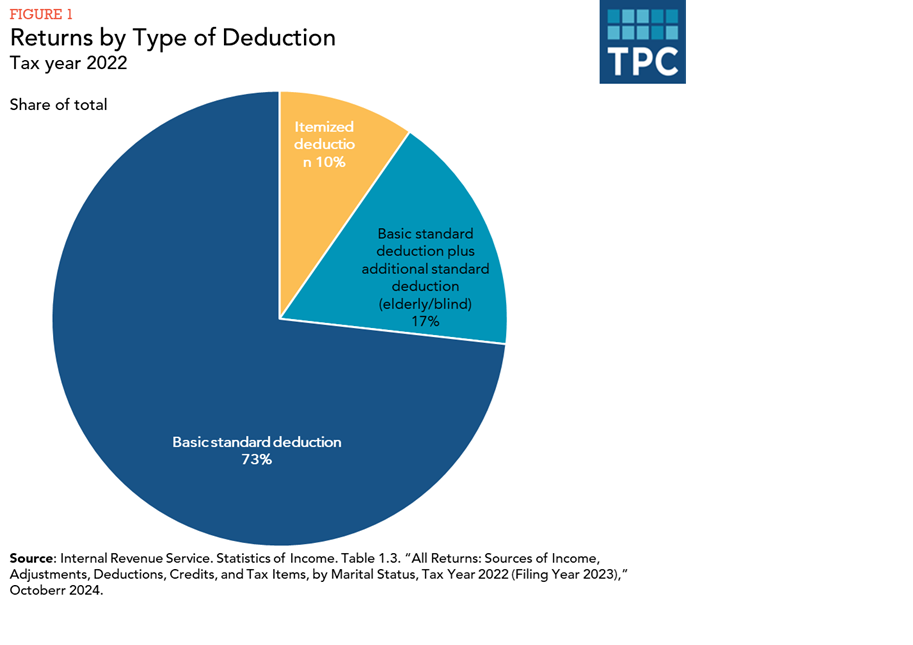
While numerous expatriates seek to reduce their tax obligation burden, comprehending the interaction in between the Foreign Earned Revenue Exclusion (FEIE) and the conventional deduction is important. The FEIE allows our website united state citizens and resident aliens living abroad to leave out a certain amount of foreign earned revenue from U.S. taxation. This exemption can substantially decrease gross income, possibly impacting eligibility for other deductions, such as the basic reduction. Extremely, people who assert the FEIE can not likewise take the basic deduction versus the omitted earnings. Because of this, expatriates need to very carefully assess their total revenue and deductions to maximize their tax obligation situation. Recognition of these interactions can lead to even more educated economic decisions and much better tax strategies for migrants guiding via their special situations.
Standard Deduction Limitations
Comprehending the limitations of the typical deduction in connection with the Foreign Earned Income Exclusion (FEIE) is important for expatriates steering their tax duties. While the FEIE allows certifying individuals to exclude a particular quantity of foreign-earned earnings from U.S. tax, it can affect the conventional deduction they are qualified to case. Especially, taxpayers who claim the FEIE can not likewise assert the common deduction on that omitted revenue. Furthermore, if an expatriate's total earnings drops listed below the conventional reduction threshold, they might not profit from it in all. This interaction necessitates cautious planning to enhance tax benefits, as underutilizing the basic deduction can result in higher gross income and enhanced tax obligation liability. Comprehending these restrictions is crucial for effective tax method.
Tax Filing Implications
Steering the tax obligation declaring effects of the Foreign Earned Income Exclusion (FEIE) needs careful consideration of how it engages with the basic deduction. Taxpayers utilizing the FEIE can omit a significant part of their foreign-earned earnings, however this exclusion influences their qualification for the standard deduction. Especially, if an individual insurance claims the FEIE, they can not likewise claim the standard reduction for that income. This can bring about a lower overall tax obligation however may make complex the declaring procedure. Furthermore, taxpayers need to guarantee compliance with internal revenue service demands when filing Form 2555 for the FEIE. Comprehending these interactions is essential for enhancing tax benefits while staying clear of potential challenges in the filing process. Mindful planning can make the have a peek at this website most of advantages and minimize responsibilities.
Potential Tax Ramifications of Utilizing the FEIE
The Foreign Earned Earnings Exclusion (FEIE) supplies considerable tax obligation benefits for U.S. people working abroad, yet it additionally features prospective effects that warrant mindful Look At This consideration. One major consequence is the influence on qualification for certain tax credit scores and deductions. By electing to use the FEIE, taxpayers may unintentionally lower their adjusted gross earnings, which can limit accessibility to credit scores like the Earned Revenue Tax obligation Credit or minimize the quantity of standard reduction readily available.
Additionally, individuals who use the FEIE might face problems when going back to the united state tax system, particularly concerning the taxes of future earnings. The exclusion applies only to gained earnings, suggesting various other revenue kinds, such as returns or rate of interest, continue to be taxed. This distinction demands precise record-keeping to ensure conformity. The FEIE might influence state tax obligation obligations, as some states do not identify the exemption and might tax all revenue made by their citizens, regardless of where it is gained.
Tips for Maximizing Your Tax Advantages While Abroad
While functioning abroad can be enriching, it likewise presents unique opportunities to maximize tax obligation advantages. To make best use of these advantages, individuals must initially determine their eligibility for the Foreign Earned Revenue Exemption (FEIE) and consider the physical visibility examination or the authentic house examination. Keeping detailed records of all earnings earned and expenditures incurred while overseas is vital. This documentation sustains insurance claims for credit scores and deductions.
Additionally, comprehending the tax treaties in between the USA and the host country can aid avoid dual tax. Individuals ought to additionally check out contributions to tax-advantaged accounts, such as Individual retirement accounts, which might give additional deductions.

Consulting a tax specialist specializing in expatriate tax legislation can supply customized strategies and warranty compliance with both U.S. and international tax responsibilities. By taking these actions, migrants can successfully improve their monetary scenario while living abroad.
Often Asked Questions
Can I Use FEIE if I Work for an International Government?
Yes, an individual can use the Foreign Earned Revenue Exemption (FEIE) while helping an international federal government, provided they meet the requisite problems outlined by the IRS, including the physical presence or authentic house examinations.

Does FEIE Relate To Self-Employment Income?
The Foreign Earned Revenue Exclusion (FEIE) does apply to self-employment earnings, provided the private meets the necessary requirements. Qualified independent individuals can exclude certifying income gained while living in an international country from tax.
What if My International Revenue Surpasses the FEIE Restriction?
The excess amount might be subject to United state tax if international income goes beyond the FEIE restriction. Taxpayers need to report and pay taxes on the earnings over the exemption threshold while still gaining from the exclusion.
Can I Declare the FEIE and Itemize Deductions?
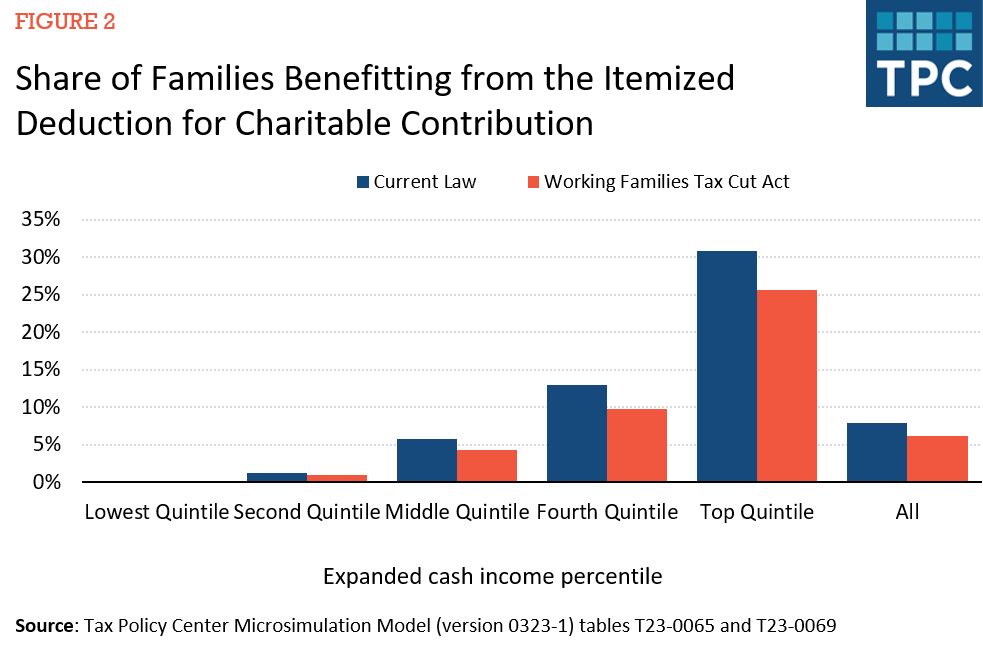
Yes, individuals can assert the Foreign Earned Income Exemption (FEIE) while likewise detailing deductions. They have to be mindful that claiming the FEIE might influence the availability of particular itemized deductions on their tax obligation return.
How Does FEIE Impact My State Tax Obligation Obligations?
The Foreign Earned Income Exclusion can lower state tax responsibilities, as many states comply with federal guidelines. Specific state regulations vary, so it's important to get in touch with state tax regulations for specific effects on tax duties.
The Foreign Earned Earnings Exclusion (FEIE) offers considerable benefits for expatriates, enabling them to exclude a part of their foreign-earned earnings from U.S. taxes. While lots of expatriates seek to reduce their tax obligation concern, recognizing the interaction in between the Foreign Earned Earnings Exemption (FEIE) and the conventional reduction is vital. Comprehending the constraints of the conventional reduction in relation to the Foreign Earned Revenue Exemption (FEIE) is vital for expatriates steering their tax obligations. The exclusion applies just to earned earnings, meaning other income types, such as returns or passion, continue to be taxable. The Foreign Earned Revenue Exemption (FEIE) does apply to self-employment income, supplied the individual meets the needed needs.
Comments on “A parent-friendly explanation of how the FEIE Standard Deduction impacts family tax filing”